


In high-temperature operating scenarios such as metallurgy, injection molding, kilns, and drying lines, standard electric cylinders often suffer from issues including thrust attenuation, motor burnout, and drastic service life reduction — the root cause lies in the lack of specialized design for high-temperature environments. To select the right high-temperature resistant electric cylinders, the key lies inaccurately matching temperature ratings, locking in the temperature resistance of core components, and ensuring proper protection and derating.
Before selecting a high-temperature resistant electric cylinder, it is essential to clarify the actual on-site working conditions, which serves as the foundation for subsequent configuration matching:
Determine the Actual Temperature Rating
Calculate the sum ofambient temperature + self-generated heat temperature of the electric cylinder, and classify the rating according to the following ranges (directly corresponding to selection configurations):
- General high temperature (60–80℃): Conventional industrial furnaces, peripheral equipment of injection molding machines, oven auxiliary equipment;
- Medium-high temperature (80–150℃): Drying ovens, heat treatment production lines, metallurgy auxiliary machinery;
- High temperature / ultra-high temperature (150–230℃): Kiln operations, hot press forming, petrochemical downhole equipment.
Define Additional Requirements for High-Temperature Resistant Electric Cylinders
Are there harsh environmental factors such as dust, water vapor, or oil contamination? Is explosion-proofing or high-precision positioning required? What are the specific requirements for thrust, stroke, and speed? All these factors affect the protection level and selection of high-temperature resistant electric cylinders.
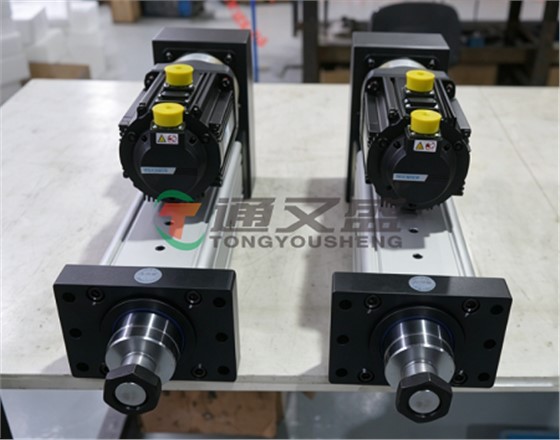
Selection Examples of High-Temperature Resistant Electric Cylinders for Common Application Scenarios (For Direct Reference)
- Injection molding / die-casting equipment (80–100℃): Select 80℃ class high-temperature resistant electric cylinders, equipped with Class F motors, fluororubber seals, high-temperature grease, and IP65 protection;
- Drying lines / ovens (100–140℃): Select 120℃ class high-temperature resistant electric cylinders, with Class H insulated motors, forced air cooling, and IP67 protection;
- Metallurgy / kilns (140–180℃): Customized 180℃ class high-temperature resistant electric cylinders, featuring water-cooled jackets, stainless steel cylinders, and planetary roller screws;
- Petrochemical / downhole (150–200℃+): Select 200℃ class explosion-proof electric cylinders, with fully sealed structures, dry film lubrication, and over-temperature protection.
If you are struggling to find high-temperature resistant electric cylinders with stable performance and qualified precision, or have questions regarding the installation, commissioning, and later maintenance of such products, please feel free to contact us. We not only provide high-quality high-temperature resistant electric cylinders but also offer comprehensive support throughout the process to ensure the smooth progress of your projects.