


Adaptive Design and Optimization Ideas of Low-temperature Resistant Electric Cylinders under Low-temperature Working Conditions
Electrical System: Enhance the low-temperature stability of low-temperature resistant electric cylinders
Special motor adaptation
Low-temperature resistant servo motors are adopted, equipped with high-temperature neodymium iron boron or samarium-cobalt permanent magnets to reduce magnetic performance attenuation in low-temperature environments. The coil insulation class is upgraded to Class F or above, improving the insulation reliability of electric cylinders in cold conditions.
Sensor and cable protection
Equipped with low-temperature resistant encoders and limit switches. The operating temperature range of theelectric cylinders shall fully cover the lower limit of actual working conditions. Cold-resistant flexible cables are used for power and signal lines with outer thermal insulation sleeves. All wiring terminals adopt anti-low-temperature aging materials to prevent embrittlement, cracking and falling off.
Optional preheating function
For ultra-low temperature scenarios below -30℃, the electric cylinders can be integrated with built-in heating modules or reserved external heating interfaces. Preheating before startup reduces running resistance and effectively avoids motor overload.
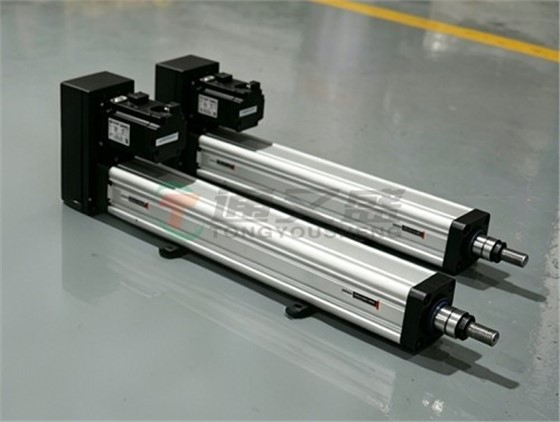
Protection & Heat Dissipation: Balance thermal insulation and operational safety
Upgrade protection rating
Low-temperature resistant electric cylinders are designed with IP65 or higher protection grade, preventing the intrusion of ice, snow and condensed water, as well as dust accumulation that may cause poor heat dissipation and accelerated component wear.
Add thermal insulation protection
Simple heat preservation covers and thermal insulation layers are installed on the cylinder body to reduce heat exchange with the low-temperature external environment. Outdoor models are fitted with snow and frost prevention structures to guarantee stable operation.
Optimize heat dissipation structure
No forced heat dissipation is required in low-temperature environments, yet unobstructed heat dissipation channels must be maintained. This prevents excessive local temperature difference caused by trapped operating heat, which may lead to structural damage of the electric cylinder.